Home » UAP Reference Library » UAP Book Reviews
UAP & UFO Book Reviews: The Reference Library
The Signal-to-Noise Problem
The study of UAP suffers from a nearly debilitating signal-to-noise ratio. The literature on the phenomenon has for decades been saturated with sensationalism and speculation. Navigating this landscape calls for critical thinking and a high tolerance for ambiguity.
Our Reference Library was built to cut through the noise. We treat the phenomenon as a serious, multi-disciplinary subject, prioritizing literature grounded in rigorous historical documentation, verifiable evidence, defense policy, and highly educated theoretical analysis. Our goal is to separate the foundational texts from the less useful materials.
The Subject Matter Taxonomy
To help you navigate this collection, we have structured our library into distinct Subject Matter silos. Our database allows you to filter and explore the literature across the following topics:
-> Government, Policy & Disclosure
-> High Strangeness & Advanced Theories
-> Select Historical Investigations
-> Experiencers & First-Hand Accounts
-> Science, Physics & Technology
The Verdict Taxonomy
To help provide the reader with context on this collection, every book in our library is assigned a Verdict. The verdict acts as a qualitative judgment that indicates who the book is for and the role it plays in the broader study of the phenomenon. Books are assigned one or more of the following designations:
-> A Foundational Text
-> Crucial Historical Context
-> Deep Dive into Policy
-> Essential for Beginners
-> For the Dedicated Researcher
-> Great for the Skeptic
-> Historically Significant
-> Interesting Ideas but Speculative
-> Investigative Deep Dive
-> Philosophical / Religious
-> Skip It
Browse Reviews by Subject Matter
Our Complete List of UAP Book Reviews

Database Last Updated:
October 9, 2026UAP Book Reviews FAQ
What are the best UAP books for beginners to start with?
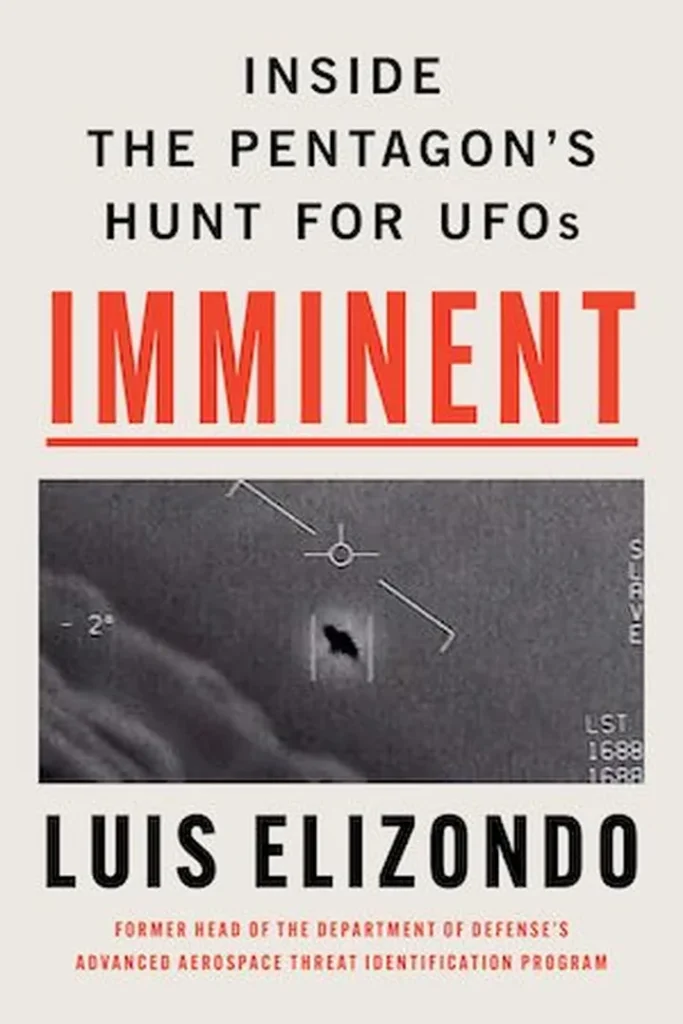
For readers new to the topic, the sheer volume of information can be overwhelming. We categorize entry-level literature under our Essential for Beginners verdict. These texts—such as Leslie Kean’s UFOs: Generals, Pilots, and Government Officials Go on the Record or Luis Elizondo’s Imminent: Inside the Pentagon’s Hunt for UFOs focus on verifiable journalism, credible military testimony, and the modern disclosure timeline. They establish a factual baseline without requiring a deep background in advanced physics or historical lore.
Which books detail the U.S. government's secret UAP programs and policy?
The legislative history of the phenomenon is tracked within our Government, Policy & Disclosure subject silo. This category reviews books that document internal Pentagon programs like AATIP and AAWSAP, legislative efforts to protect whistleblowers, and the ongoing congressional push for transparency. Books in this category, such as James Lacatski’s Skinwalkers at the Pentagon and Elizondo’s Imminent, rely on declassified documentation and verified intelligence community testimony rather than speculation.
Are there books that analyze the UAP phenomenon through a scientific lens?
Yes. Our Science, Physics & Technology section is dedicated to literature authored by astrophysicists, engineers, and scientists. These books analyze the phenomenon through empirical data, such as anomalous kinematics recorded by multi-sensor military platforms (radar, FLIR, sonar), and explore theoretical frameworks for transmedium travel, advanced propulsion, and the limits of standard model physics.
What UAP literature do you recommend for skeptics?
Skeptics require empirical data over anecdotal claims. We tag specific reviews as Great for the Skeptic. These are rigorously sourced books that dismantle prosaic explanations using forensic methodologies, radar telemetry, and corroborated military chain-of-command reporting. They do not ask the reader to make leaps of faith, but rather present cold-case analyses that demonstrate the inadequacy of standard governmental debunking efforts.
What does "high strangeness" mean in UAP literature?
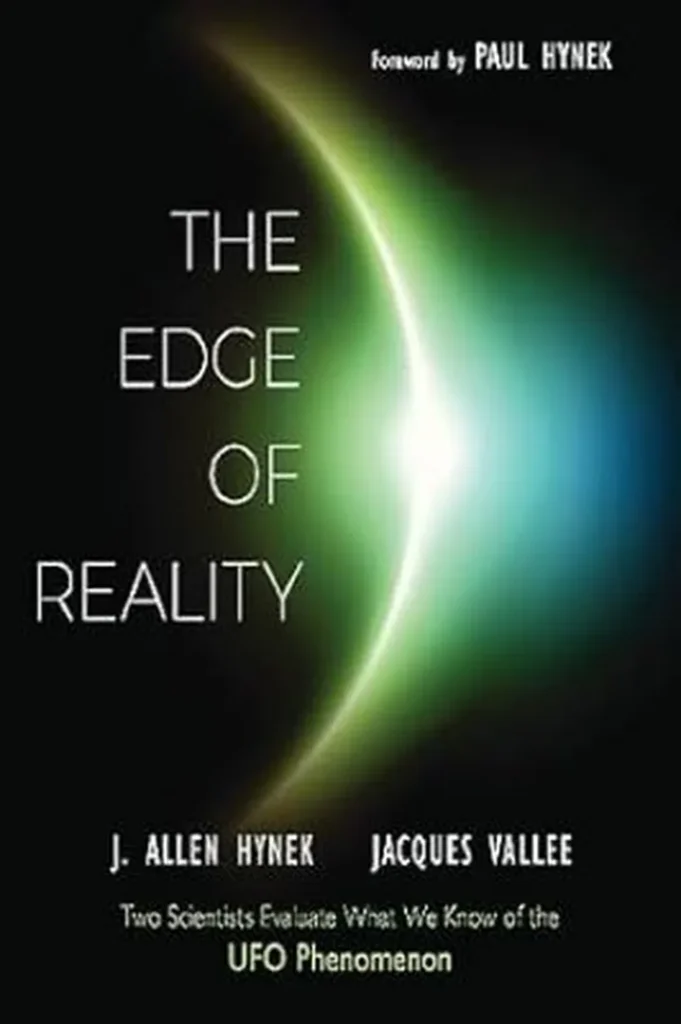
High Strangeness is a term popularized by astronomer and pioneering ufologist Dr. J. Allen Hynek to describe UFO or UAP cases that are profoundly bizarre, surreal, or that completely defy conventional logic.
Key characteristics of high strangeness often include: Physics-defying movement, Biological and psychological effects such as missing time, sudden intense emotional changes, or physical paralysis, and encounters that feature bizarre entities, anomalous animals, or objects that morph in shape and size.
How do you evaluate the credibility of "experiencers" and first-hand account books?
First-hand accounts are inherently subjective, which makes them difficult to quantify. In our Experiencers & First-Hand Accounts section, we prioritize literature that surrounds the witness testimony with corroborating physical evidence, secondary witness validation, or rigorous psychological profiling. This category includes Whitley Streiber’s Communion, and Budd Hopkin’s Intruders.
Books that fail to provide a structural framework for their claims, or rely entirely on unverified personal narratives, are generally assigned the Interesting Ideas but Speculative verdict.
Recommend UAP Material
If you are aware of a UAP related material of significant research, legislative or historical importance, we’re happy to review it for inclusion in our reference library. Just fill out the form below. We’ll evaluate the material for inclusion in our ever-growing database of highly credible UAP material.