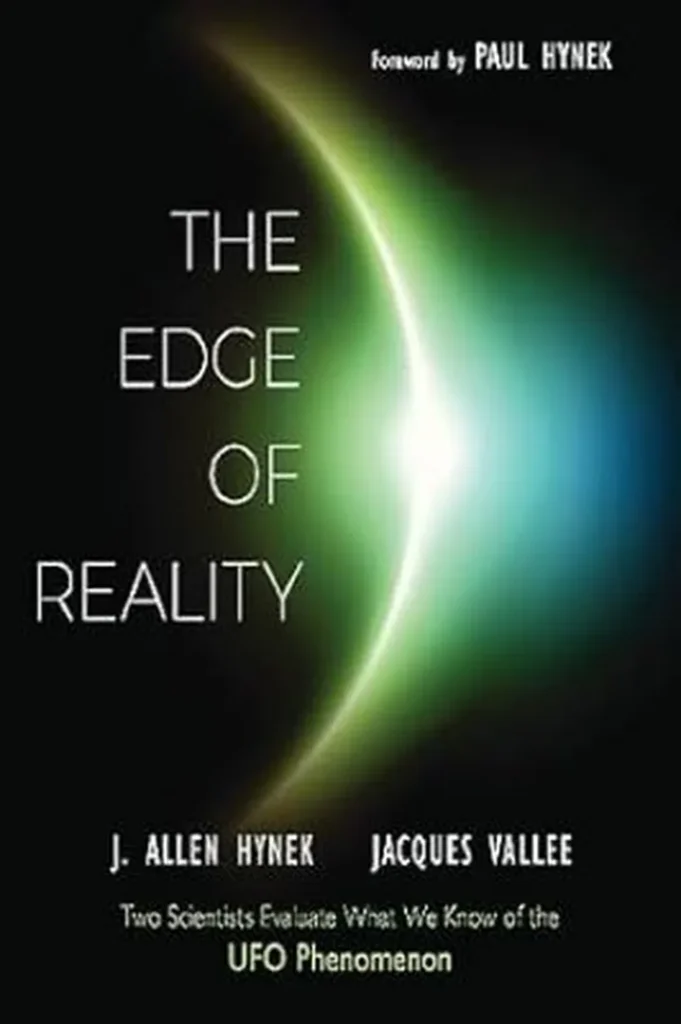
The Edge of Reality
UAPs and the Nuclear Puzzle
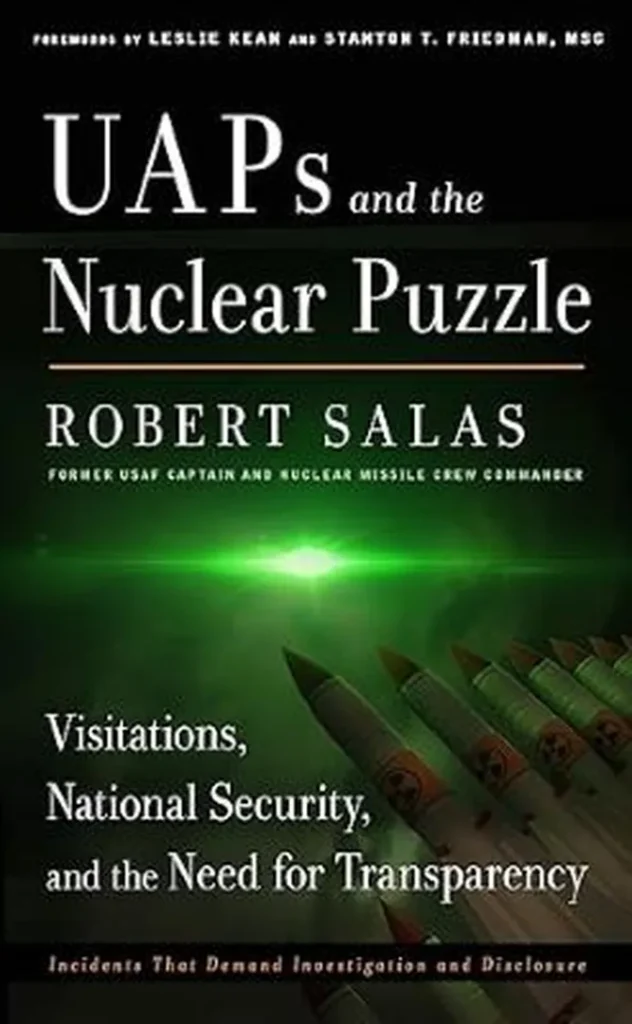
In UAPs and the Nuclear Puzzle, former U.S. Air Force ICBM launch control officer Robert Salas argues that Unidentified Aerial Phenomena have demonstrated a sustained, systematic, and highly targeted interest in global nuclear weapons infrastructure. His central thesis is that UAPs have not only passively surveilled military installations but have actively interfered with nuclear ballistic missile systems, demonstrating the ability to neutralize weapons of mass destruction with total impunity.
Non-Human – The Rendlesham Forest UFO Incidents: 42 Years of Denial
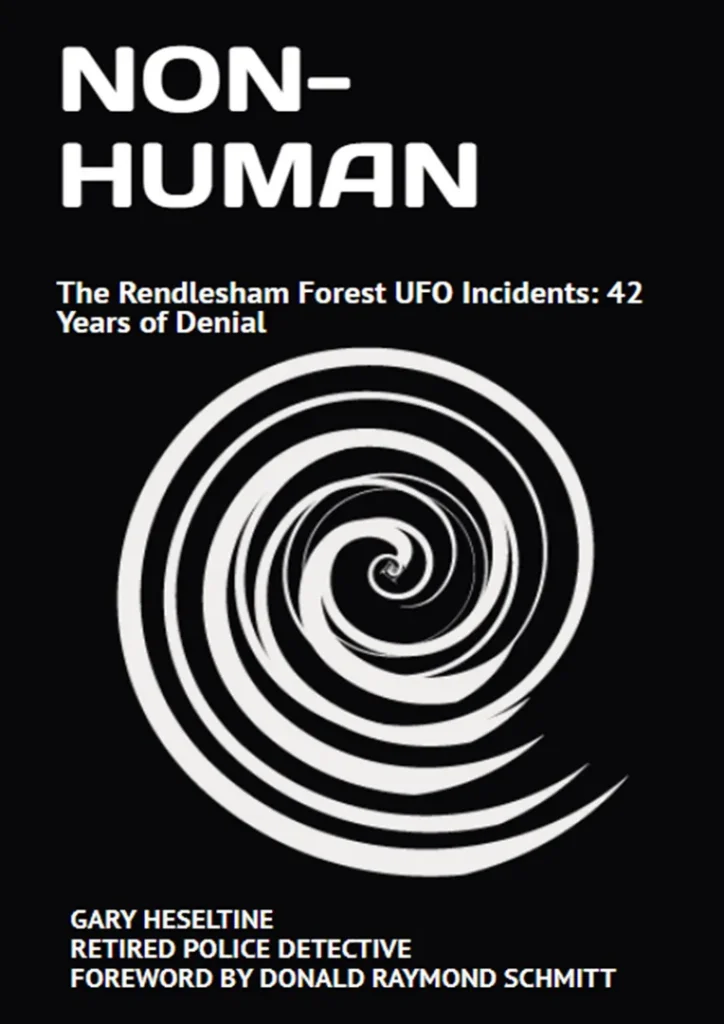
Non-Human is important to the study of UAP because it introduces rigorous law enforcement and forensic investigative standards to a legacy UFO case. Historically, cases like Rendlesham have been relegated to folklore or subjected to endless, unstructured debate. Heseltine’s work is important because it provides a methodological blueprint for how to re-evaluate historical UAP incidents using objective, evidentiary standards. By treating the event as a crime scene rather than a paranormal occurrence, the book exposes the systemic inadequacies of past military investigations and demonstrates how historical data can still be mined for empirical value in the modern disclosure era.
Imminent: Inside the Pentagon’s Hunt for UFOs
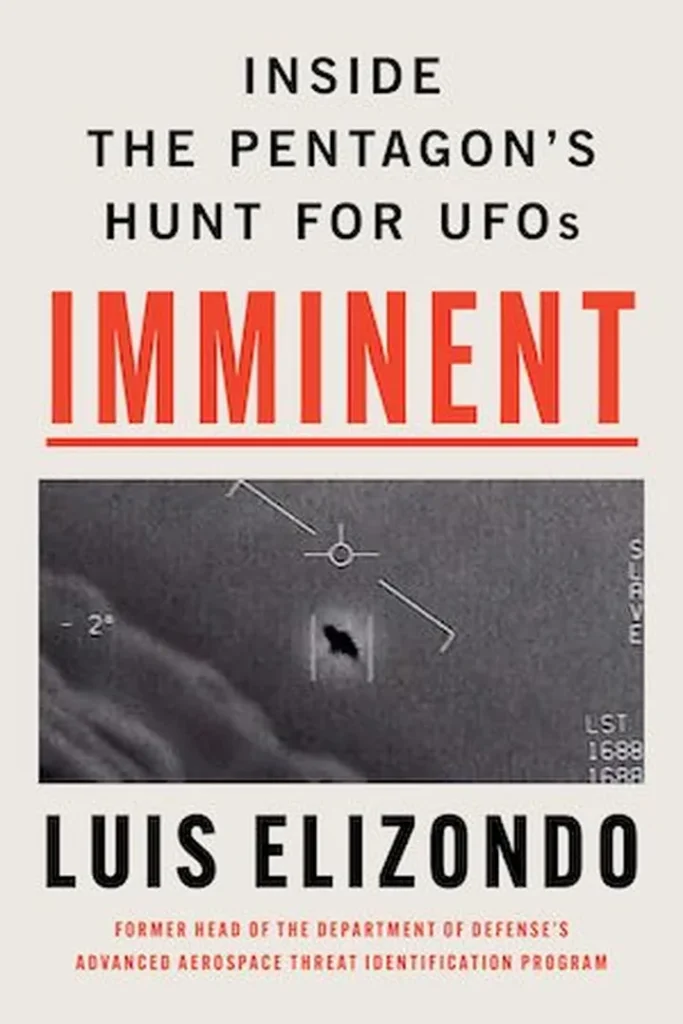
Elizondo argues that this systemic secrecy is a critical national security vulnerability rather than a protective measure. Because these craft routinely breach restricted military airspace and demonstrate a documented, highly specific interest in nuclear assets, the government’s refusal to openly acknowledge and study them prevents the United States from developing adequate defense postures. Furthermore, he posits that the over-classification of UAP data actively hinders scientific progress by isolating anomalous physics and materials science within unaccountable Special Access Programs (SAPs), rather than allowing peer-reviewed academic analysis.
Interstellar: The Search for Extraterrestrial Life and Our Future in the Stars
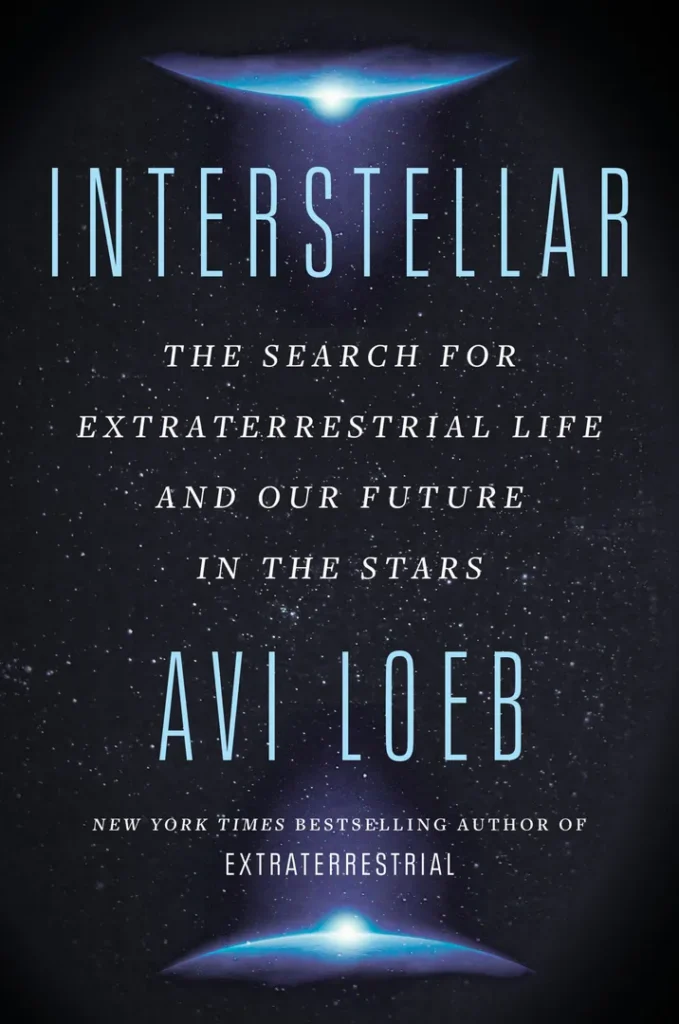
Harvard astrophysicist Avi Loeb builds upon his hypothesis that the anomalous 2017 interstellar object ‘Oumuamua was an extraterrestrial artifact. The book serves as both a scientific roadmap and a philosophical manifesto, arguing that the scientific community must urgently pivot from searching merely for microbial life to actively hunting for extraterrestrial technosignatures—including the rigorous, data-driven study of Unidentified Anomalous Phenomena (UAP). Loeb explores the profound societal, religious, and scientific implications that discovering an advanced non-human intelligence would trigger, ultimately proposing that such a revelation could unite humanity and inspire our own evolution into an interstellar species.